Projects
Nigeria Minigrids Rural Electrification Program REP
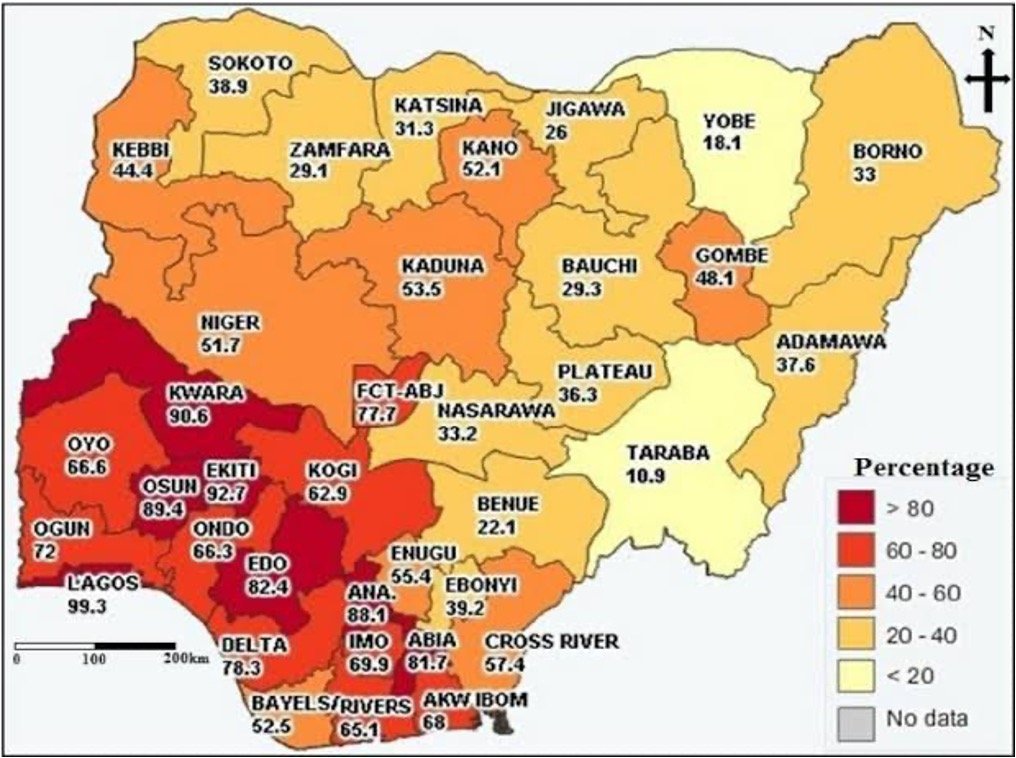
Potential Electrification in Rural Area
Energy is crucial to the wellness of humans and to a country’s economic development.
Nigeria is challenged with low availability of electricity in rural areas as shown in the Map. And unreliability in the urban centers.
Renewable Energy from Solar, Biomass and coal residue (Gasification) , and Hydro are the best alternative approach to solving the country’s electricity problem.
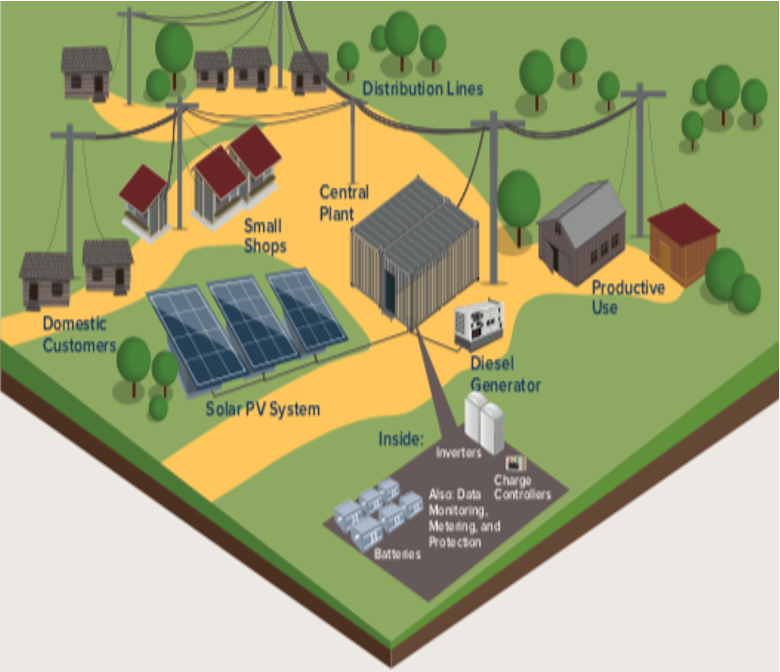
Solar Hybrid -Technical Case
Mini Grid Distribution Network will Serve for distribution of energy produced by the new Plant.
Smart Meters used for Electricity Billing Systems with Prepayment methods with various types and models according to application and project objectives.
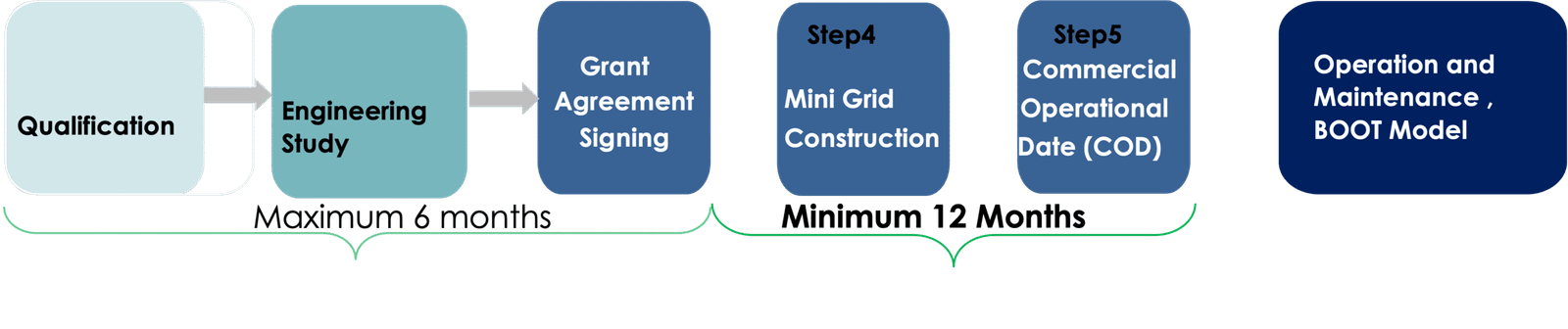
Solar Hybrid – Financial Case
All Adopted Financial Values are Budgetary and Inspired from Conceptual Engineering Design
R&M of 85 MW & Implementation of 50 MW Coal Power Plant in Kazakhstan

Study of the Technical parameters and plant configuration (2 – 3 Months)
Study the inputs of the existing running machines and the defunct machines in the plant.
Site visit to the plant in Kazakhstan to asses the present condition of the plant, study of log sheets, plant’s parameters and machine conditions and plant layout for compatibility and availability for implementing of 50 MW HYBRID coal.
Study the present Emissions level and suggest the modifications required to meet the present EU standards.
Identifying all project parameters (IBL / OBL)
Analysis of power generation data and reports, legislation for Wind / Solar / Gas. (can be conducted at a later stage with the project feasibility study – phase 2)
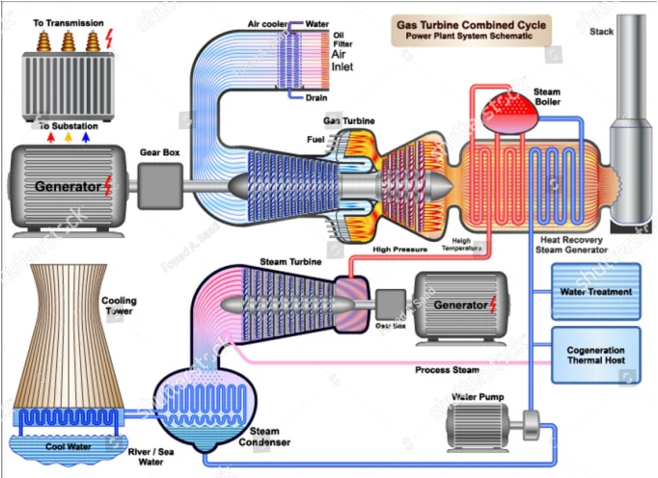
Study of the existing plant, Mechanical Systems
Study the boiler & Accessories
ESP
Turbo generator & auxiliaries
Cooling tower
Water systems (Raw, Fire, Waste, Portable)
RO / DM plant system
Ash handling system
Fuel / Coal handling system
Piping specification
Effluent treatment system
Ventilation system
Fire fighting system
Compressed air system
Insulation
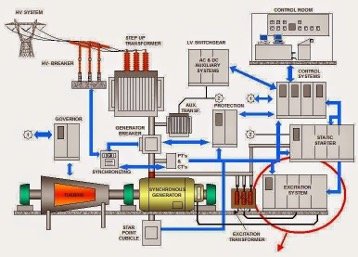
Study of the existing plant, Electrical and instrumentation systems
Power distribution system
Control equipment (MCC, push button station) for all power plant equipment
Black start DG along with controls
Plant lighting, power wiring, earthing and lightning protection
Schemes and details for power evacuation from the plant
Plant communication system
PLC/DCS based control system
BOP instruments, analyzers
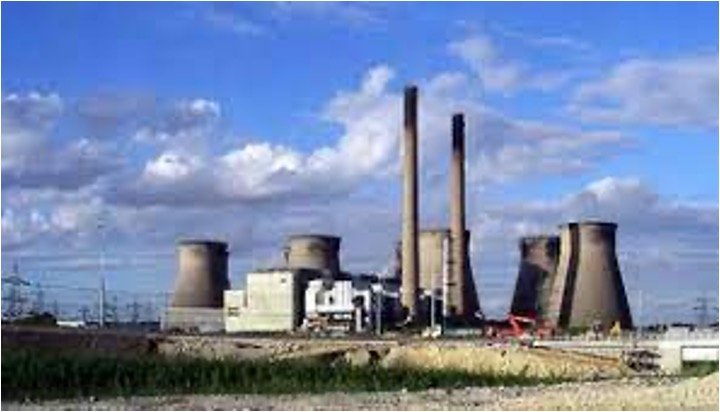
Assessment of an existing plant (50 MW)
Study the overall performance and parameters of an existing running plant.
Site visit to the plant to asses the actual machine condition.
Establish dismantling and installation plan.
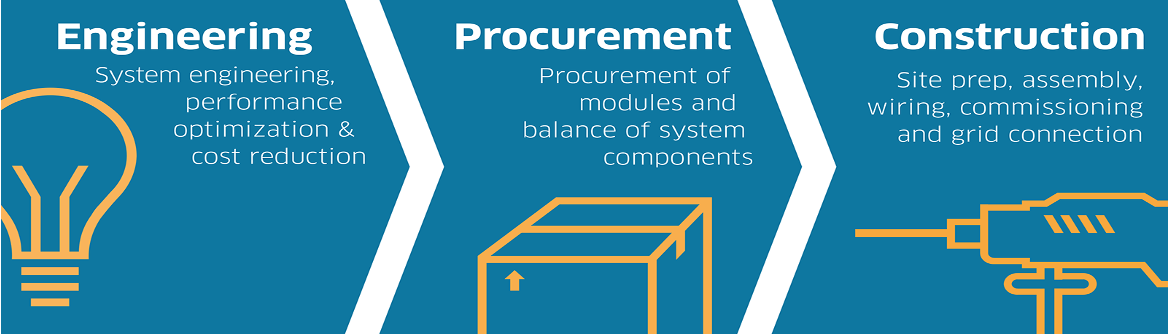
Detailed Engineering for R&M and Implementation – Pre-EPC services (3 to 4 months)
Determine any possible improvements in order to achieve optimum plant efficiency.
Define terminal points, battery limits, exclusions, performance guarantee parameters and safety requirements.
Issue EPC tender, so owners will invite bids from reputed vendors.
Review the technical offer of the EPC vendor to check if it meet with the requirements.
Submit an appraisal of EPC tenders to proceed with further commercial discussions with bidders.
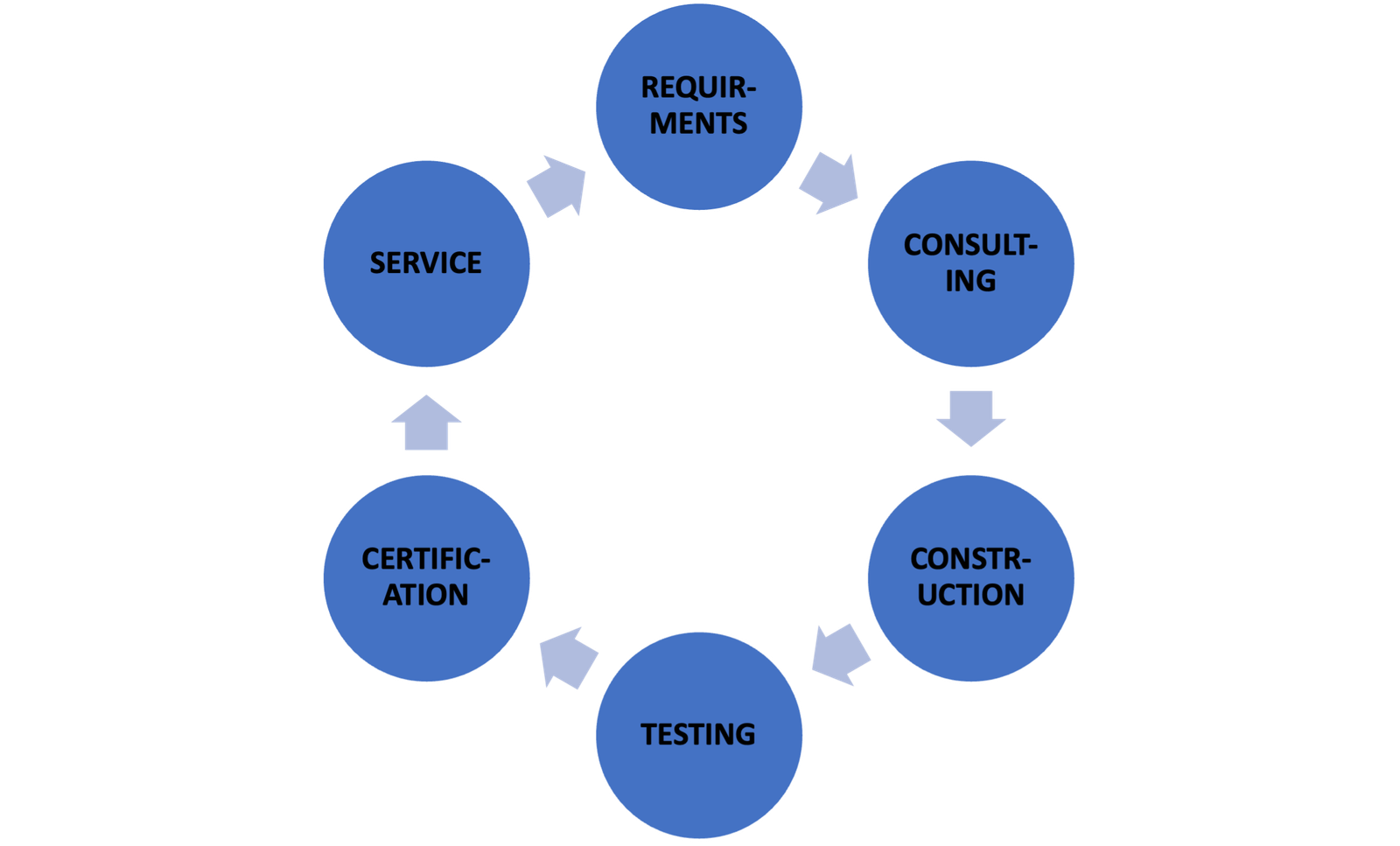
Detailed Engineering for R&M and Implementation – Planning and Project Management (18 to 22 months)
Plan the following activities of the project with the client:
Coordination / communication procedure amongst involved parties
List of drawings / documents to be submitted by the EPC contractor to be reviewed.
Discuss and firm up overall project schedule to be submitted by EPC contractor.
Review the schematics of each system of the power plant to be submitted by vendor to ensure proper interfacing within power block.
Interface engineering on mechanical, electrical and instrumentation system.
Gbaramatu Refinery & Petrochemical (GRP)
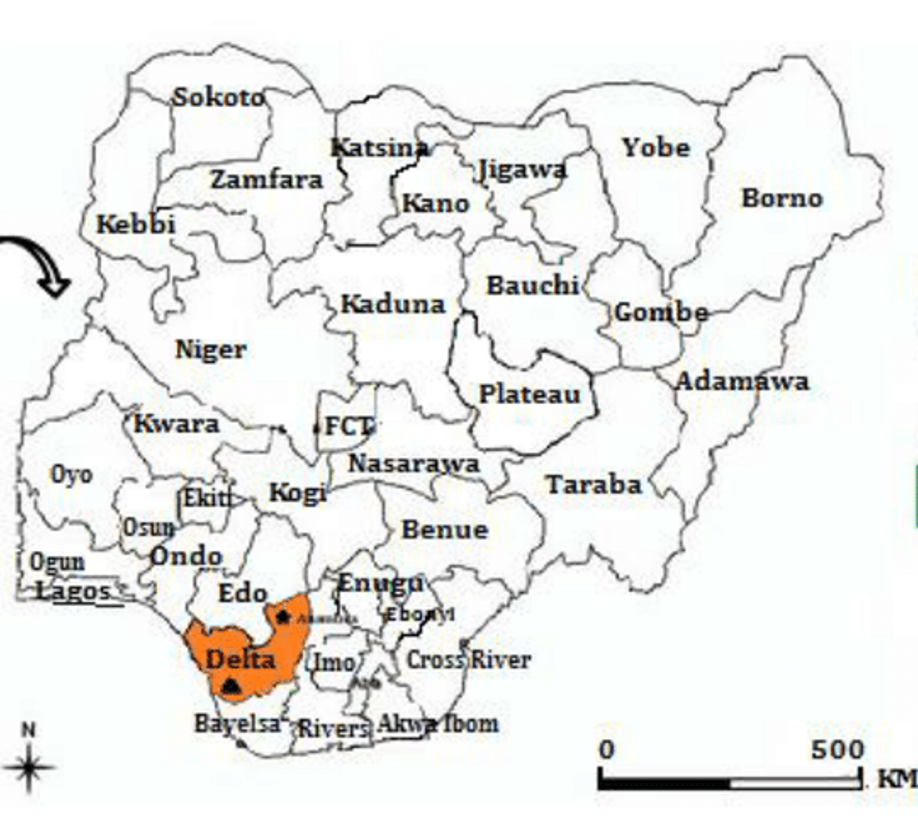
GRP Project Analysis: Strategic Location
•Located inside Gbaramatu Kingdom, Niger Delta Oil Fields – Nigeria
•GRP Refinery is Strategically Located in the Vicinity of Main Crude Oil Storage Facilities within 25 Km Radius.
•Easy access to ocean, neighboring Escravos terminal.
•Crude oil and natural gas supply abundancy.
•
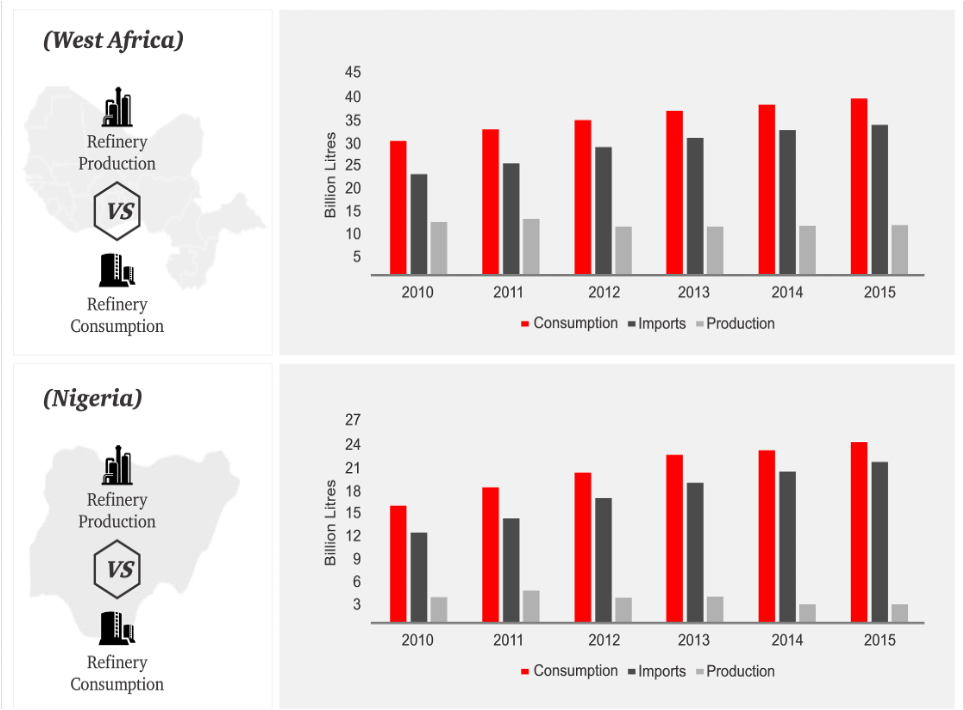
GRP Project Analysis: Local and ECOWAS Market for Refined Products
Total Annual Refinery Production and Markets Consumption in West Africa and Nigeria (Billions of Liters), Source Opec/US Energy Information Administration
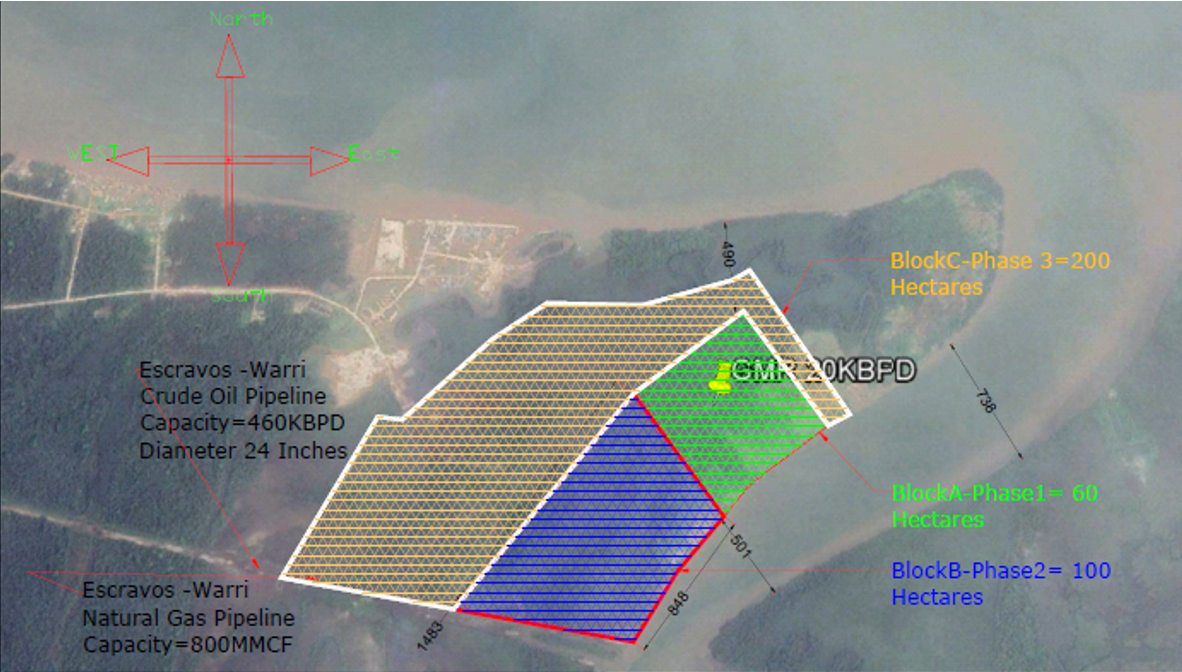
GRP Project Analysis: Brief History, Actual Status and Future Development
GRP will be located in the local government area of Warri South West, Delta State in Southern Nigeria.
Warri South West is directly adjacent to Warri City, the capital of Delta State.
Phase 1 of the Refinery will be installed on a parcel of land (with direct access to the coastlines of Escravos river) area measuring 60 hectares from a total available Land of 500 Hectares for Future Expansions.
GRP will benefit from a Jetty on Chanomi Creek- Escravos River Waterways downstream to Guinea Gulf in the Atlantic Ocean.
The Project is located in a peaceful and welcoming community as Chevron and Seplat being operative safely for the last 50 years.
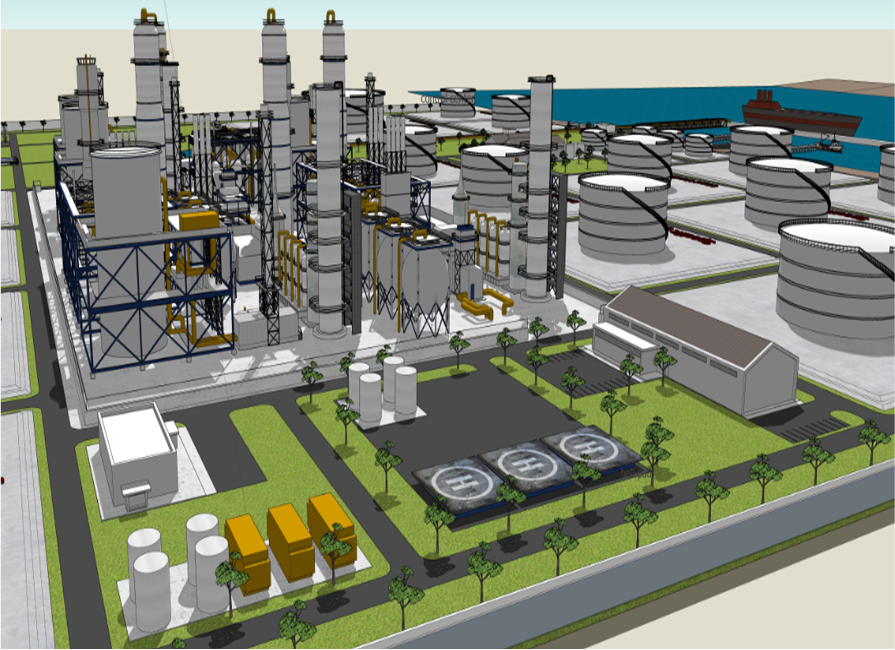
GRP Project Conceptual Engineering Design – Modular Refinery technology
CRUDE DISTILLATION UNIT: Crude distillation is one of the first and most critical steps of the petroleum refining process. It separates crude oil, a complex mixture of many different hydrocarbon compounds, into fractions based on the boiling points of the hydrocarbons.
NAPHTHA HYDROTREATING UNIT: The Naphtha Hydrotreating unit is necessary to remove Sulphur and other contaminants prior to using the naphtha as feed to catalytic reformer. The process uses hydrogen at specific temperatures and pressures in the presence of a catalyst to remove sulphur, nitrogen, and metals and to saturate olefins and potentially aromatics compounds.
CATALYTIC NAPHTHA REFORMING UNIT: In the catalytic naphtha reforming process, naphtha is reacted with a platinum-based catalyst at elevated temperatures and with hydrogen at a specified pressure. The naphtha produces a high-octane liquid product (reformate) and by-products of hydrogen and process gas. The reformer produces enough hydrogen to supply the NHU. The high-octane reformate is rich in aromatic compounds.
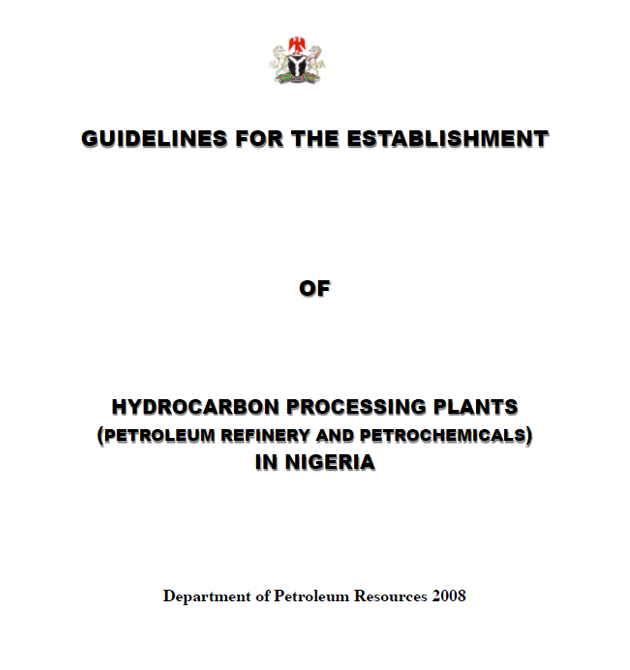
GRP Project Conceptual Engineering Design – Regulatory Framework from DPR
APPROVAL PROCESS FOR THE DESIGN, CONSTRUCTION, COMMISSIONING AND
OPERATION OF A PROCESS PLANT
The approval process described hereunder is designed to ensure that the applicant for approval and permit to establish a Petroleum Refinery (or a process plant), understands the industry, the technical and economic implications of the project, the sociological and environmental impact of the plant, and maintenance provisions required to protect the health of the operating staff and safety of plant. It is designed to prevent avoidable waste of resources by ensuring at each stage that the applicant understands the statutory requirements of each phase of the project. Consequently, the approval shall be given in three sequential stages: License to Establish (LTE), Approval to Construct (ATC) and License to Operate (LTO) respectively
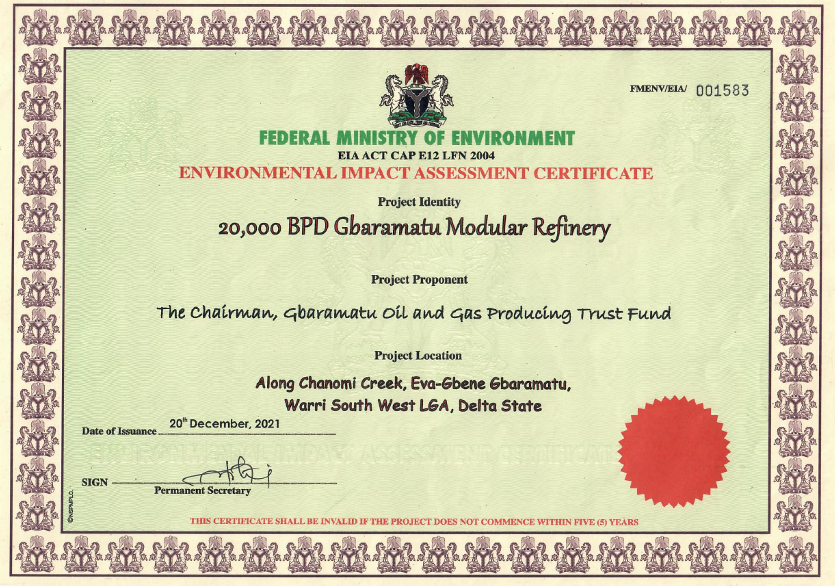
GRP Project Impact and Logistics: Environmental, Social, Corporate Responsibility
Environmental and Social Impact Assessment (ESIA) completed and Granted by the Federal Ministry of environment for the refinery and all utilities and supporting infrastructures (including Power Plant).
Conducted over 15 kilometres radius of the site by seasoned professionals.
All impacted communities and beyond were engaged.
Kingdom Chiefs meeting to discuss project with all the communities, State Government, Nigerian Local Contents Monitoring and Development Board, DPR, Federal Ministry of Environment, etc.
Detailed community development plan will be developed with our partners as required by the Nigerian Contents Development and Monitoring Board (NCDMB).
GRP will work as per the guidelines of the ESIA which concluded that the significant potential benefits of the project substantially outweigh the potential negative impacts.
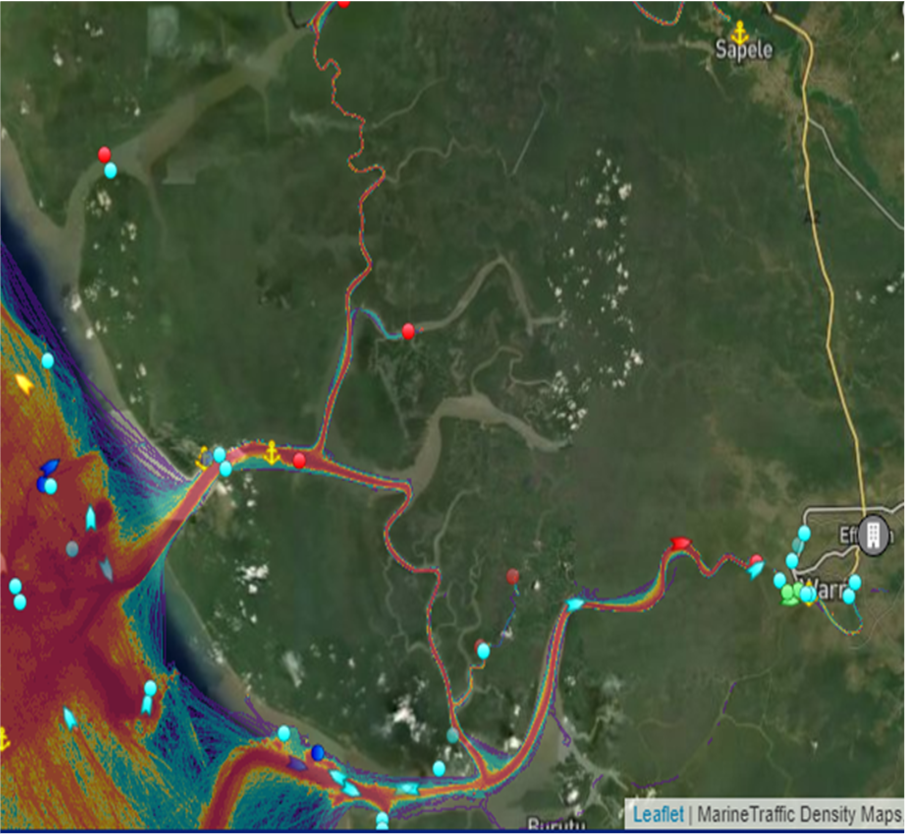
GRP Project Impact and Logistics: site access
A.Generalities:
1.The Connectivity to the hinterland and to the Atlantic Ocean is through Escravos River and navigable waterways in Delta states leading to ports of Warri, Sapele, Koko,Forcados……..
2.Chanomi Creek and nearby navigational waterways are dredged and maintained from oil and Gas Companies.
3.Presently, coastal tankers transporting refined petroleum products from offshore to Delta State ports navigate the waterways because of their relatively lighter deadweight tonnages.
B.Main Hinterland Connectivity:
1. Warri Port: From GRP refinery to Warri port Via Chanomi Creek: Distance 71.4 Km / 38,6 NM. Load line zone: Tropical. Max size: Dry Cargo: LOA 250m, max draught at Escravos Bar 6.4m, up to 7.2m at HW. Tankers: LOA 156m, draught 6.4m, 15,000DWT
2. Sapele Harbor: From GRP refinery to Sapele harbor: 110 Km /59.2 NM, harbor: max vessel up to 150 m in size, water depth at the oil terminal and for cargo pier 4.9 to 6.1m
C.Connectivity to other Nigerian and Ecowas Ports
1.From GRP refinery to Atlantic Ocean trough Escravos River Channel, Distance :27.7 Km/15 NM. The Escravos Bar 6.4m, up to 7.2m at HW. Allow Tankers: LOA 156m, draught 6.4m, 15,000DWT